01
Start with indoor or outdoor conditions
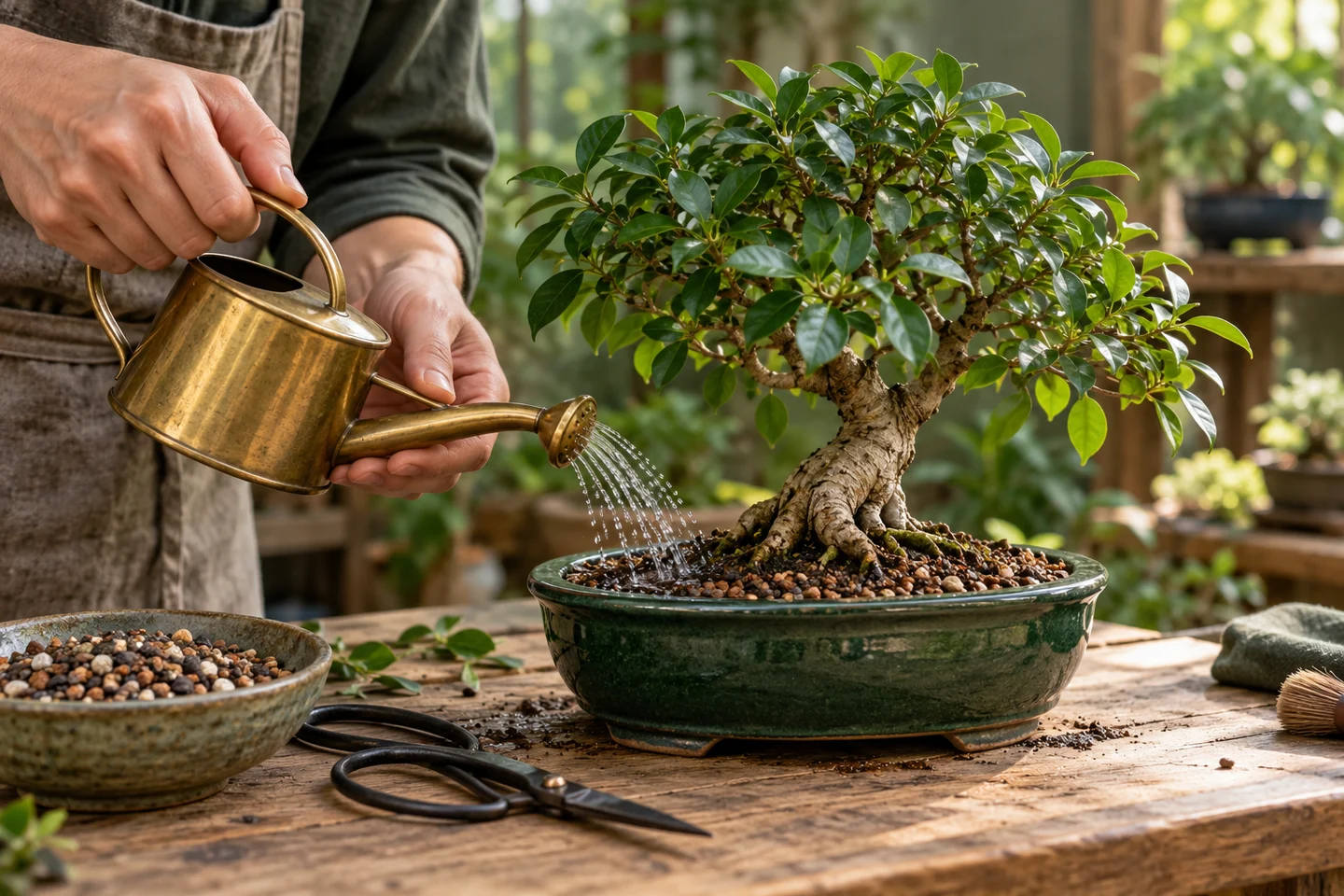
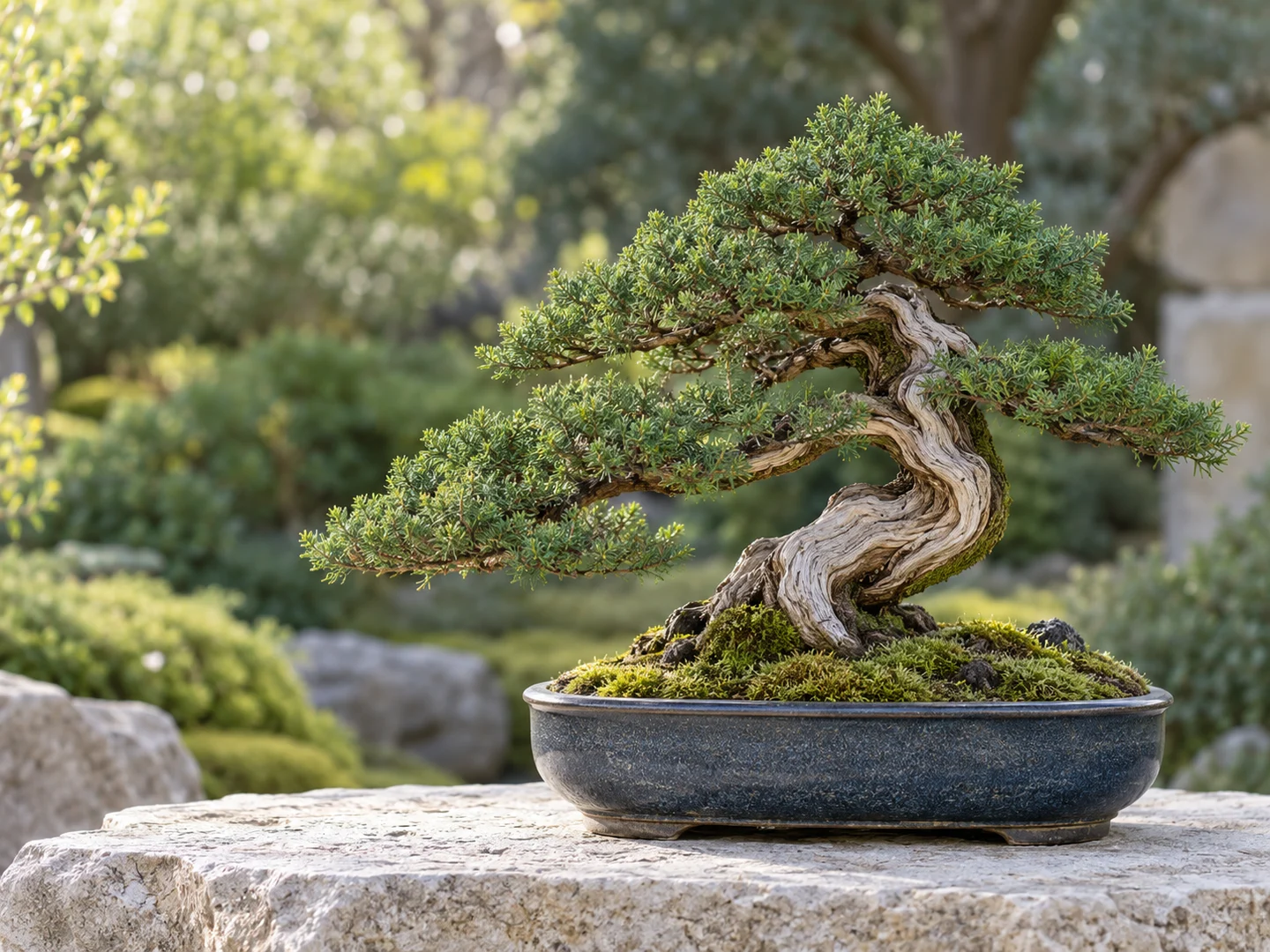
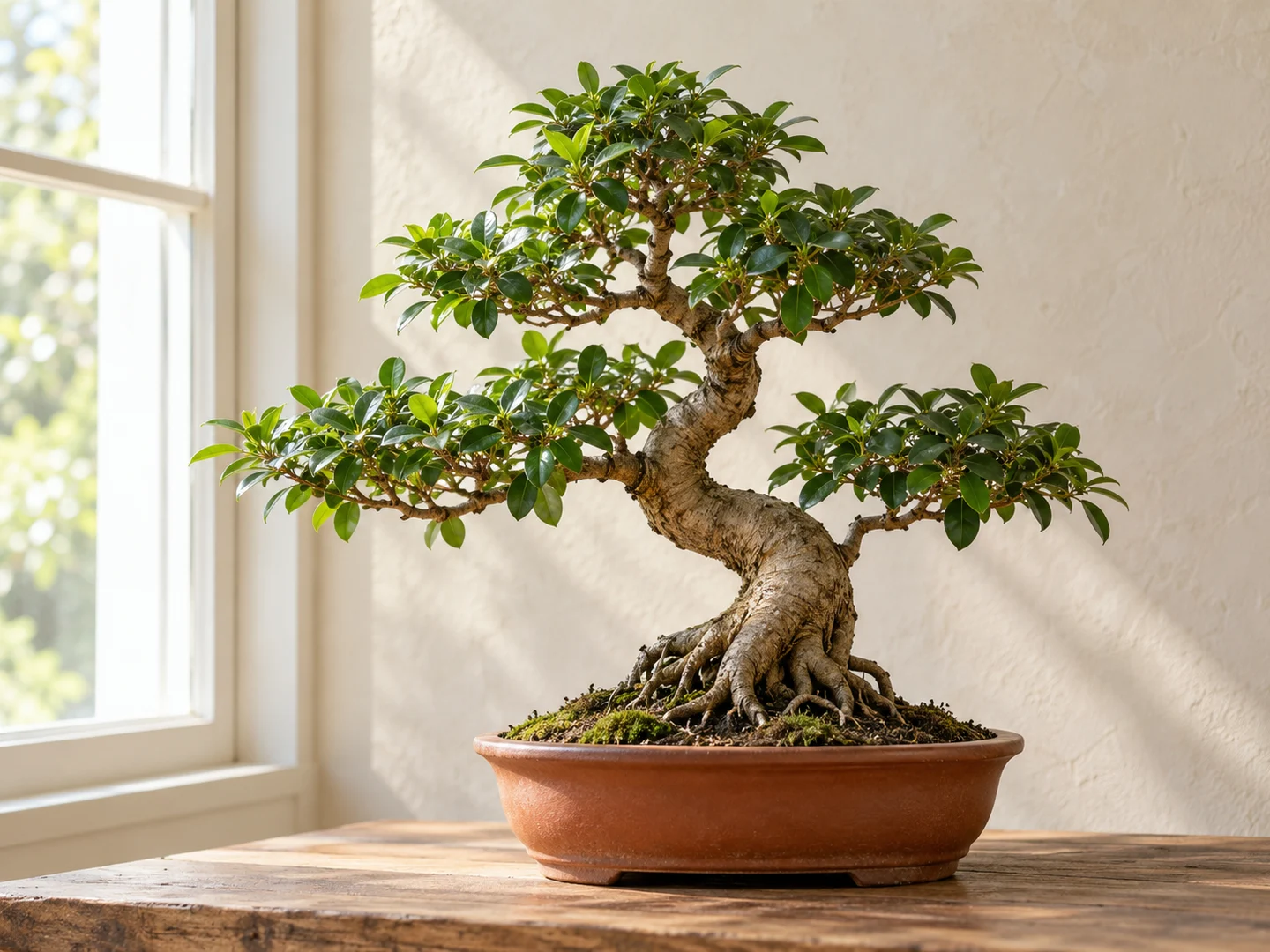
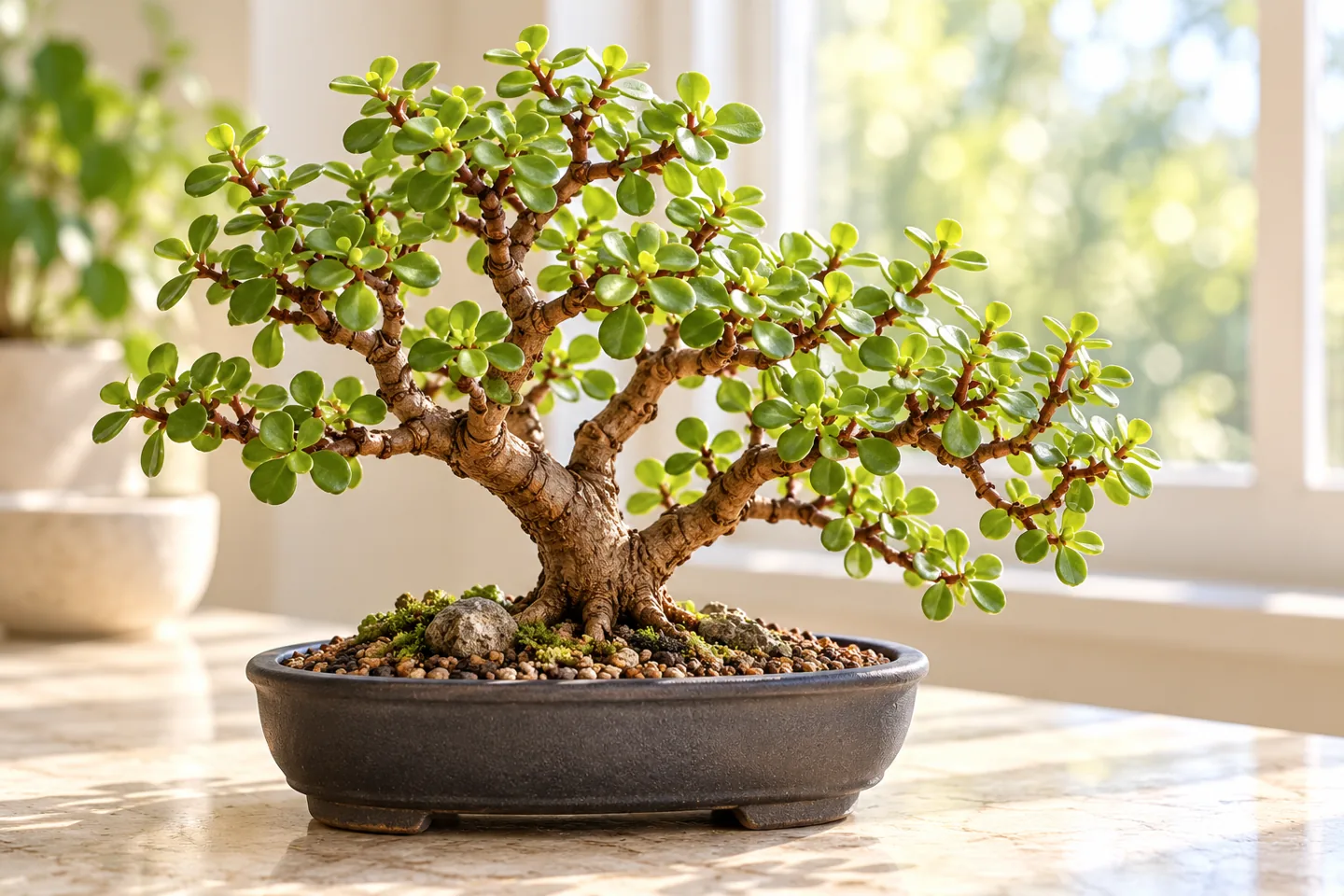
Indoor choices usually come from plants adapted to warmth and strong light, such as ficus. Succulent subjects such as dwarf jade need a brighter, drier approach. Outdoor choices include temperate trees and shrubs that need seasonal conditions.
The label “indoor bonsai” does not mean a plant can live anywhere indoors. Check the actual window, available space and temperature before choosing. The bonsai finder can help narrow the starting point.
02
Compare growth habits as well as appearance
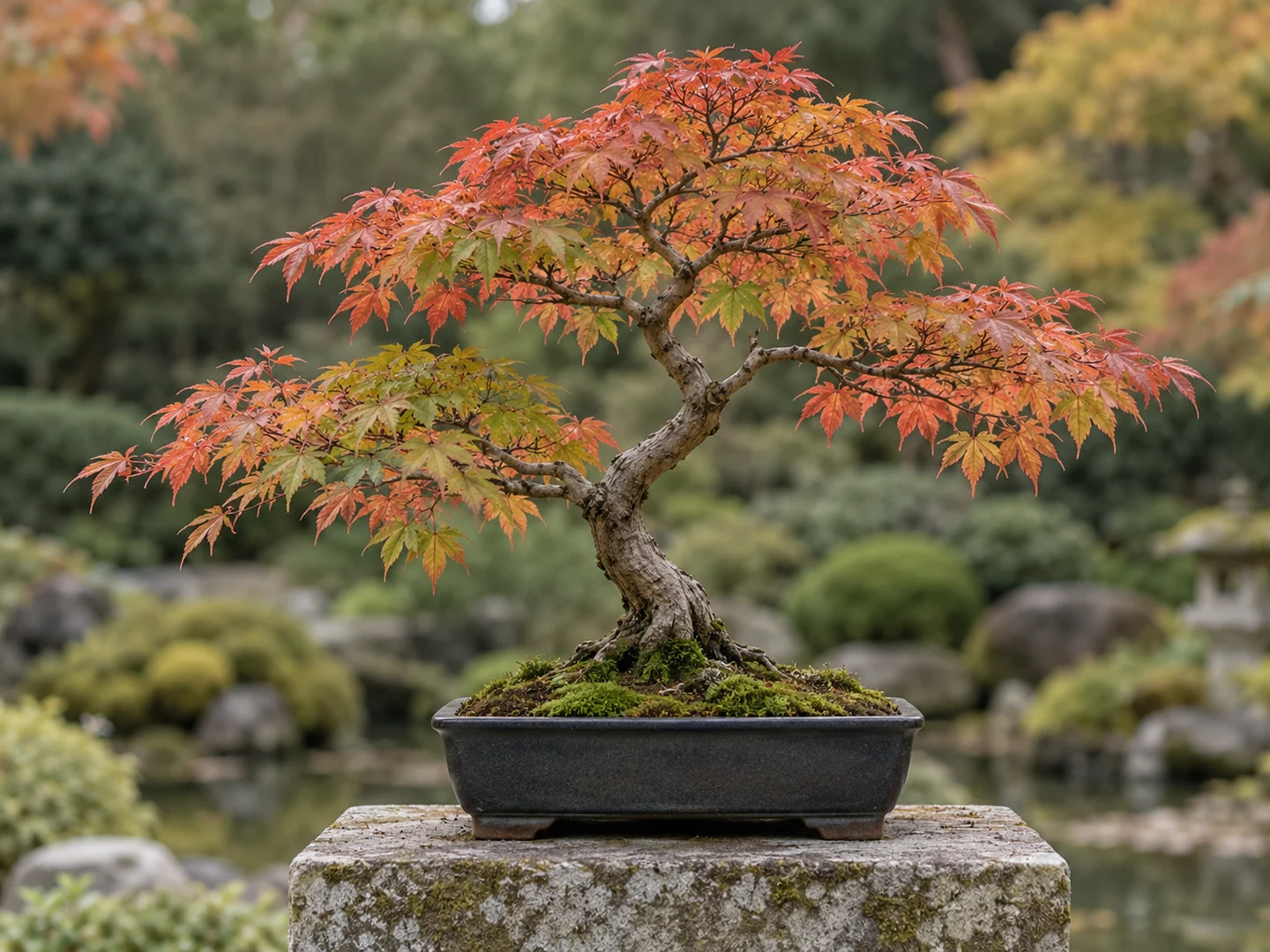
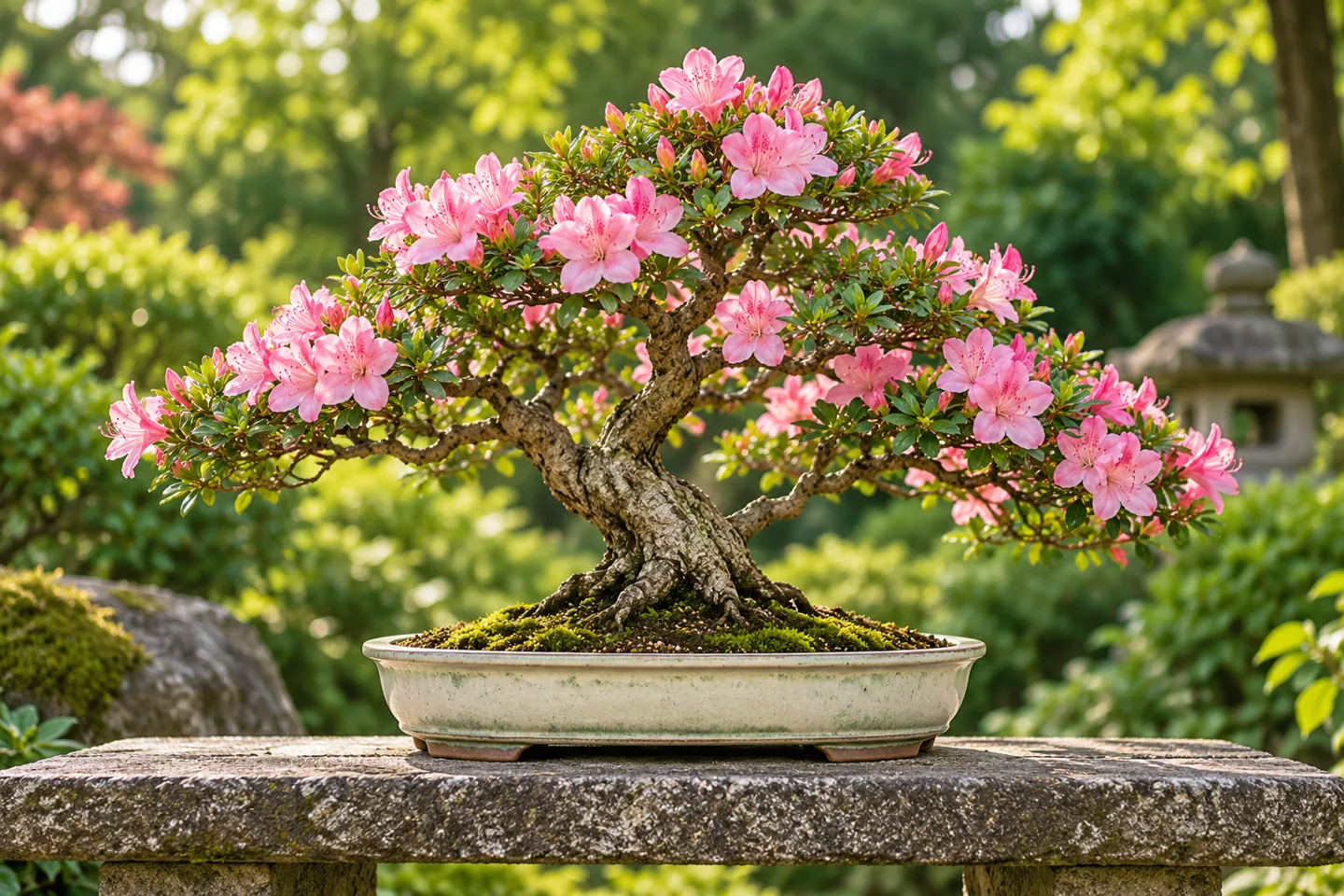
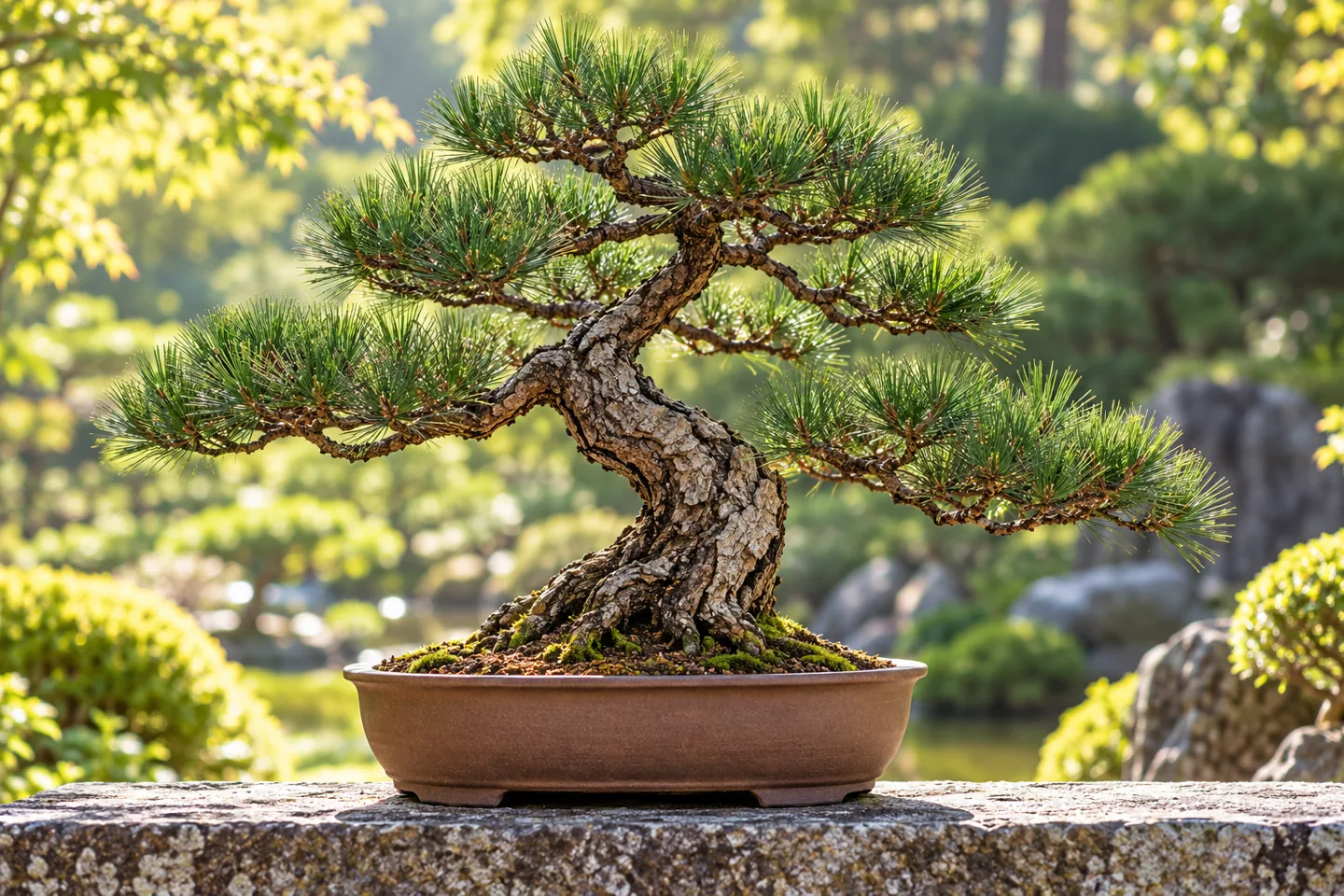
Broadleaf evergreen trees hold foliage through much of the year, deciduous trees change with the seasons, conifers carry needles or scale foliage, and succulent subjects store water in fleshy parts. These differences change watering, pruning and recovery.
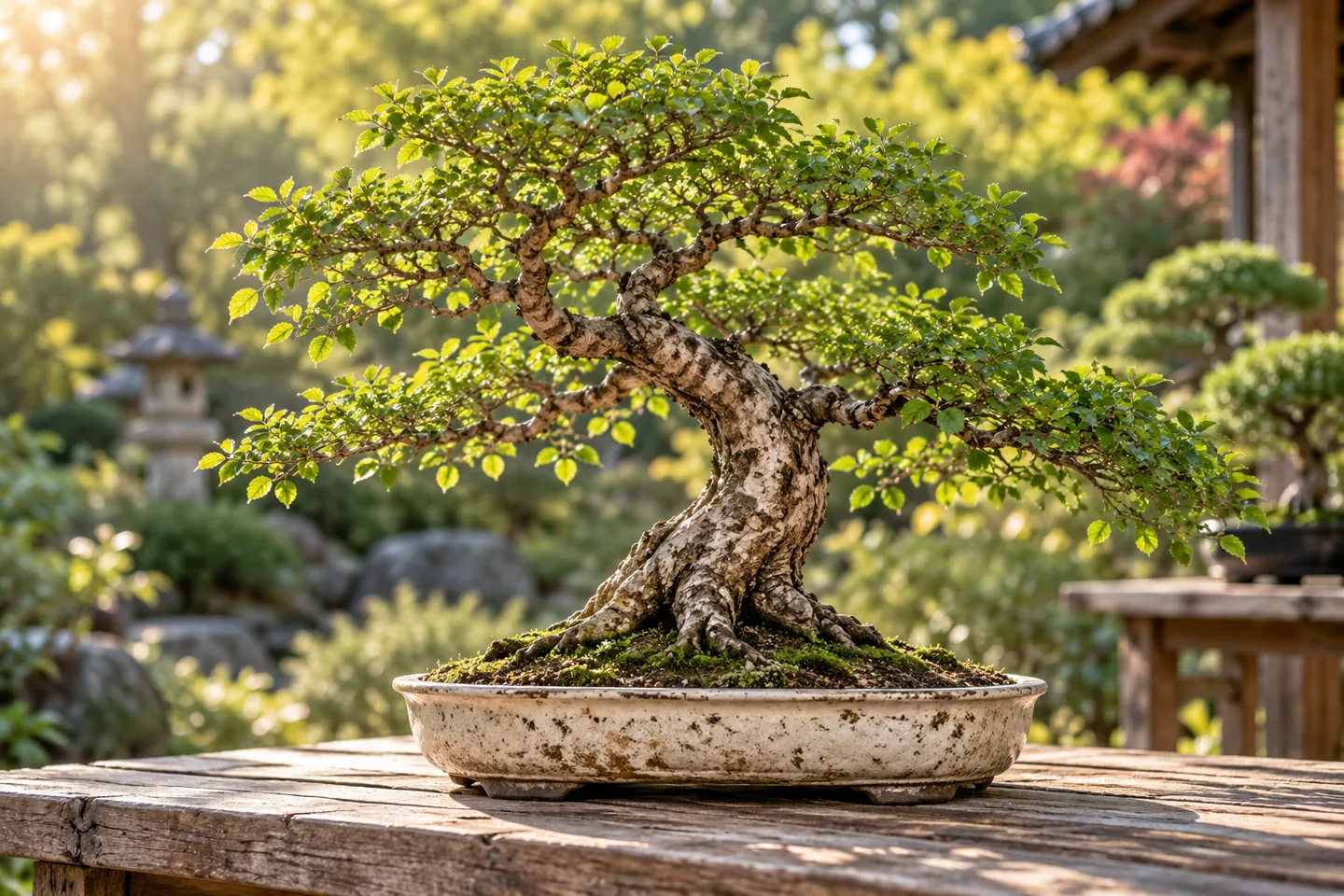
A tree with tiny leaves may be visually appealing, but leaf size alone does not make it an easy choice. Its light, temperature and seasonal needs still have to fit your growing space.
03
Choose a tree you can learn to maintain
For a first tree, prioritise a clear identity, healthy growth and accessible care information. An established starter is often more informative than a heavily decorated gift kit. Ask the seller how the tree was grown and whether the pot has usable drainage holes.
Fine branching, old bark and a compact display pot are results of development. They should not distract from the health of the roots or the suitability of the growing environment.
04
Use the species profile before major work
General bonsai care helps you ask the right questions. Species guidance helps you answer them. Repotting a ficus in warm active growth is a different decision from working on a dormant outdoor tree; pine candle techniques need still more specific identification.
Open the profile for your plant before choosing a pruning method or a repotting date. If the identity is uncertain, use the identification guide and ask the seller for the botanical name.