01
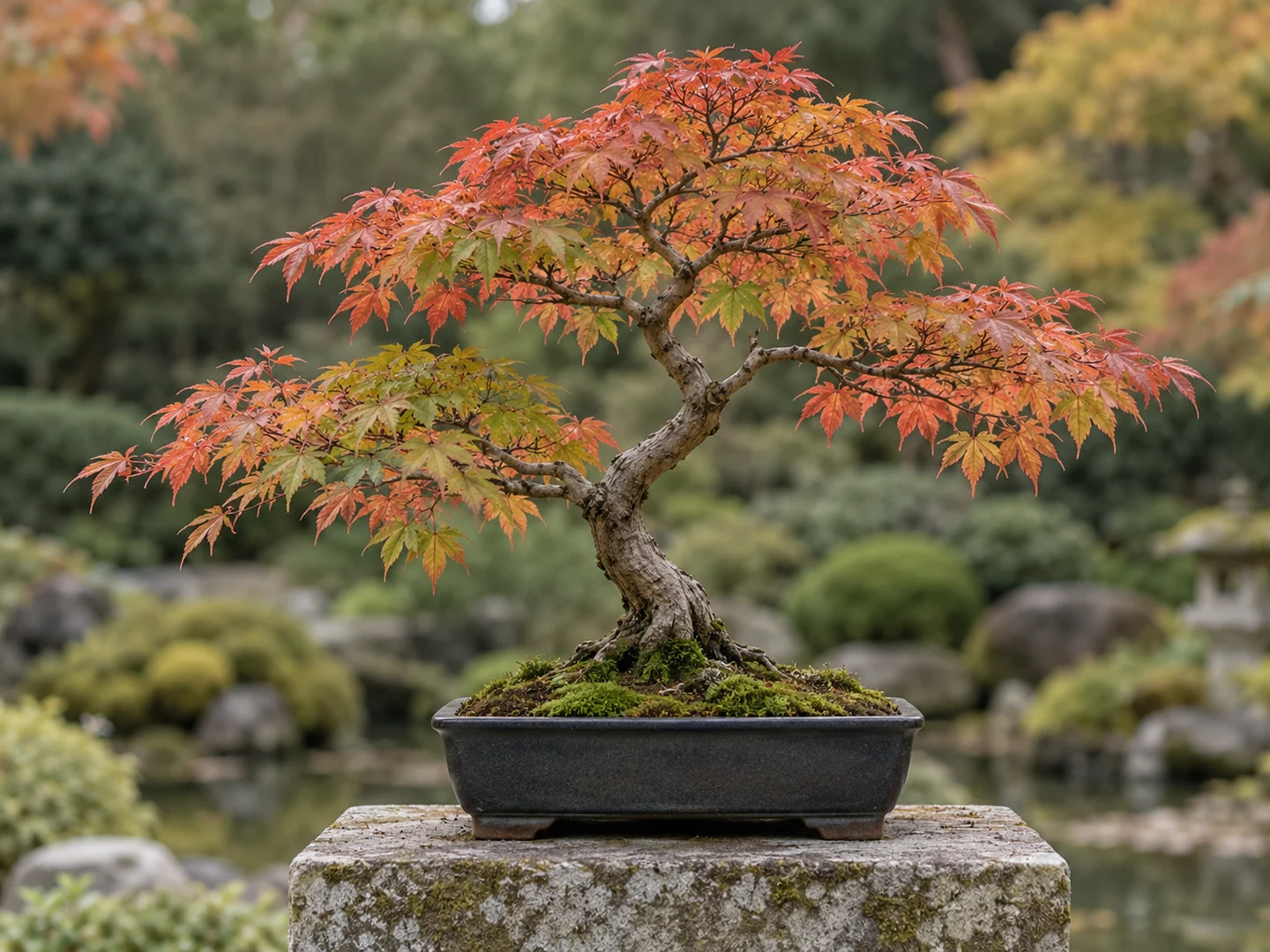
Expect a seasonal outdoor tree
Acer palmatum is deciduous. It grows and rests with the seasons, so autumn leaf fall is not automatically a care failure. A warm indoor room disrupts the conditions this outdoor tree is adapted to.
Identify the cultivar when possible. Leaf shape, colour and vigour vary, and a delicate-leaved cultivar may need more protection than a robust green-leaved tree. Let that information guide your position and work plan.
02
Balance light with protection from extremes
A bright position supports growth, but strong drying wind and harsh afternoon heat can scorch leaves. Morning sun with suitable shelter can be useful in hot, exposed settings. Adjust to your actual growing conditions instead of choosing a compass direction as an absolute rule.
When moving the tree, change exposure gradually. A tree emerging from sheltered conditions can be damaged by sudden strong sun even if the final position would suit acclimatised foliage.
03
Keep moisture even without waterlogging
Check a maple’s shallow root zone carefully as the canopy expands. Warm wind can dry a small pot quickly. Water thoroughly when needed, and check that the mix accepts water rather than shedding it over the edge.
Wet feet are not a solution to summer drying. A saucer full of water can reduce root aeration. If the tree dries too quickly for you to manage, review the pot, substrate and exposure rather than relying on a permanently flooded tray.
04
Prune to protect the structure you want
Fine branching takes time. Use maintenance cuts selectively on healthy growth and avoid removing the entire canopy merely to make leaves smaller. Large cuts and spring sap flow deserve a species-specific plan.
Maples can bleed sap when cut at unsuitable times. Before structural pruning, confirm timing for the species and your conditions with an experienced grower. The objective is a sound branch framework, not the highest number of cuts.
05
Repot with recovery conditions in mind
A common repotting window is around the start of growth before leaves fully expand, but the tree’s condition and local weather matter more than a fixed date. Prepare shelter from strong wind and harsh sun for the recovery period.
Do not use a compact display pot to hide an underdeveloped root system. Young trees may benefit from a training container while roots and trunk develop. Match the amount of root reduction to the tree’s strength.
06
Read scorch, autumn colour and dormancy differently
Dry brown leaf edges during hot weather can indicate exposure or water stress. Autumn colour across a healthy tree is a seasonal change. Bare branches in winter are expected, but the root ball still needs checks.
Protect container roots from severe freezing and repeated exposure to drying wind. Provide suitable outdoor or unheated protection without turning winter rest into warm indoor growth.