01
Spring: observe buds before scheduling work
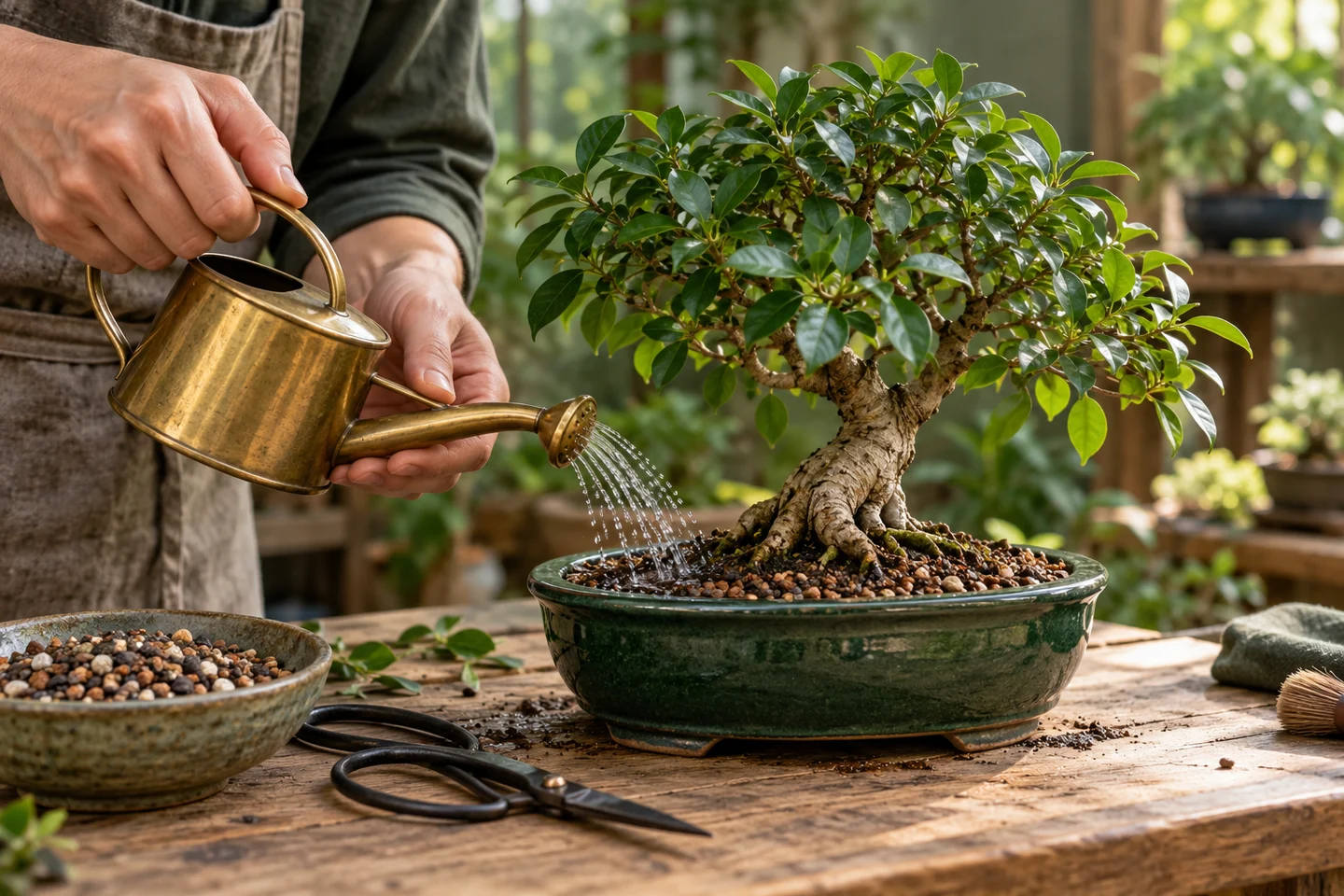
Watch buds, roots and temperatures as growth resumes. Some trees may approach a suitable repotting window before leaves fully expand, but species guidance comes first. Prepare containers, substrate and recovery shelter ahead of time.
Water demand can change quickly when a canopy develops. Do not assume that a pot drying slowly during dormancy will continue at the same pace after new leaves open.
02
Summer: manage heat and drying
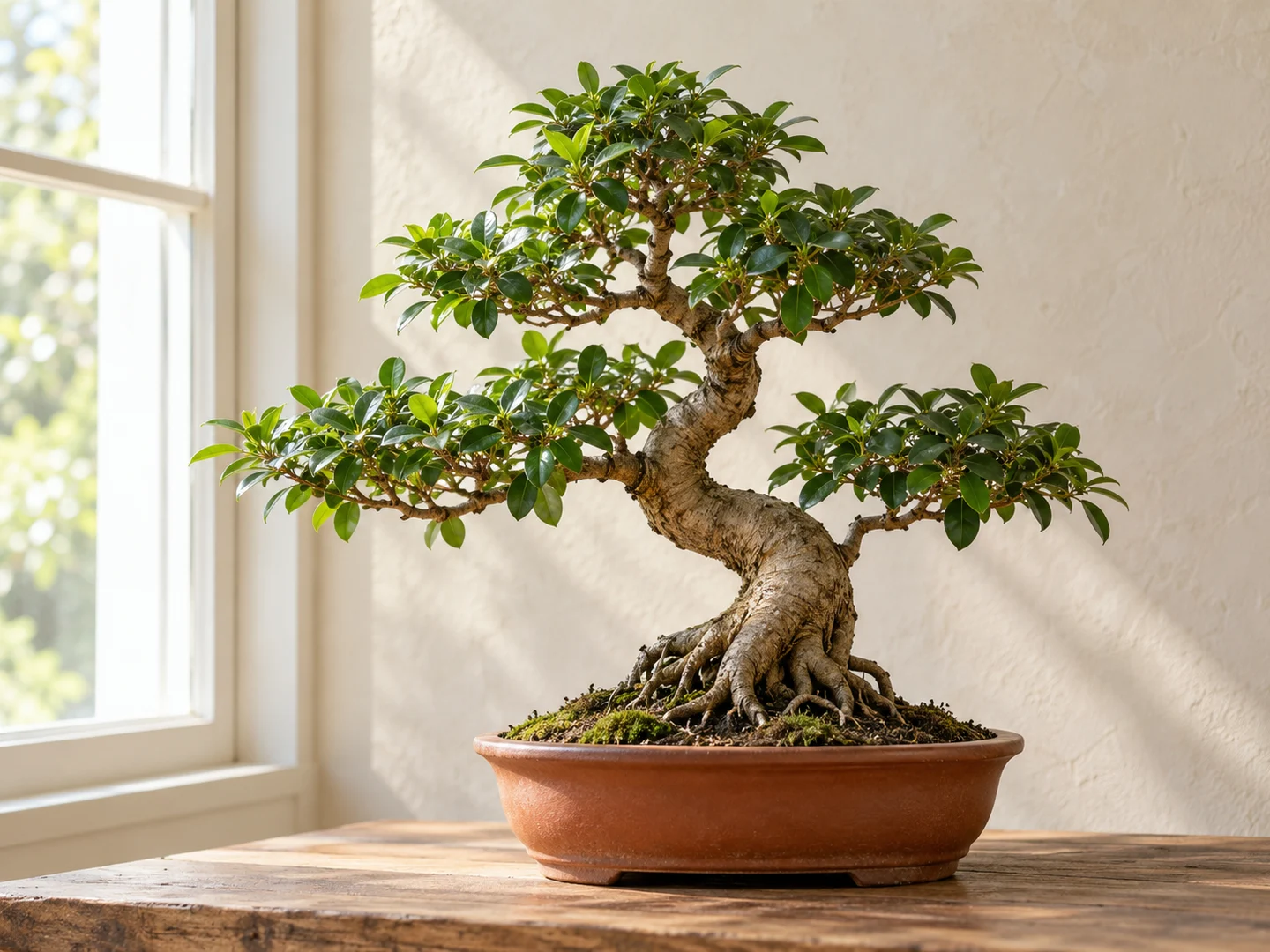
Check exposed pots frequently during warm, windy weather. Water thoroughly when required and make sure the full root ball becomes moist. Keep species needing protection away from unsuitable harsh afternoon exposure.
Plan absence care before travel. Test timers, hoses and the person’s checking routine while you are still available. Avoid major root work solely because summer is the only time you have free.
03
Autumn: distinguish colour from decline
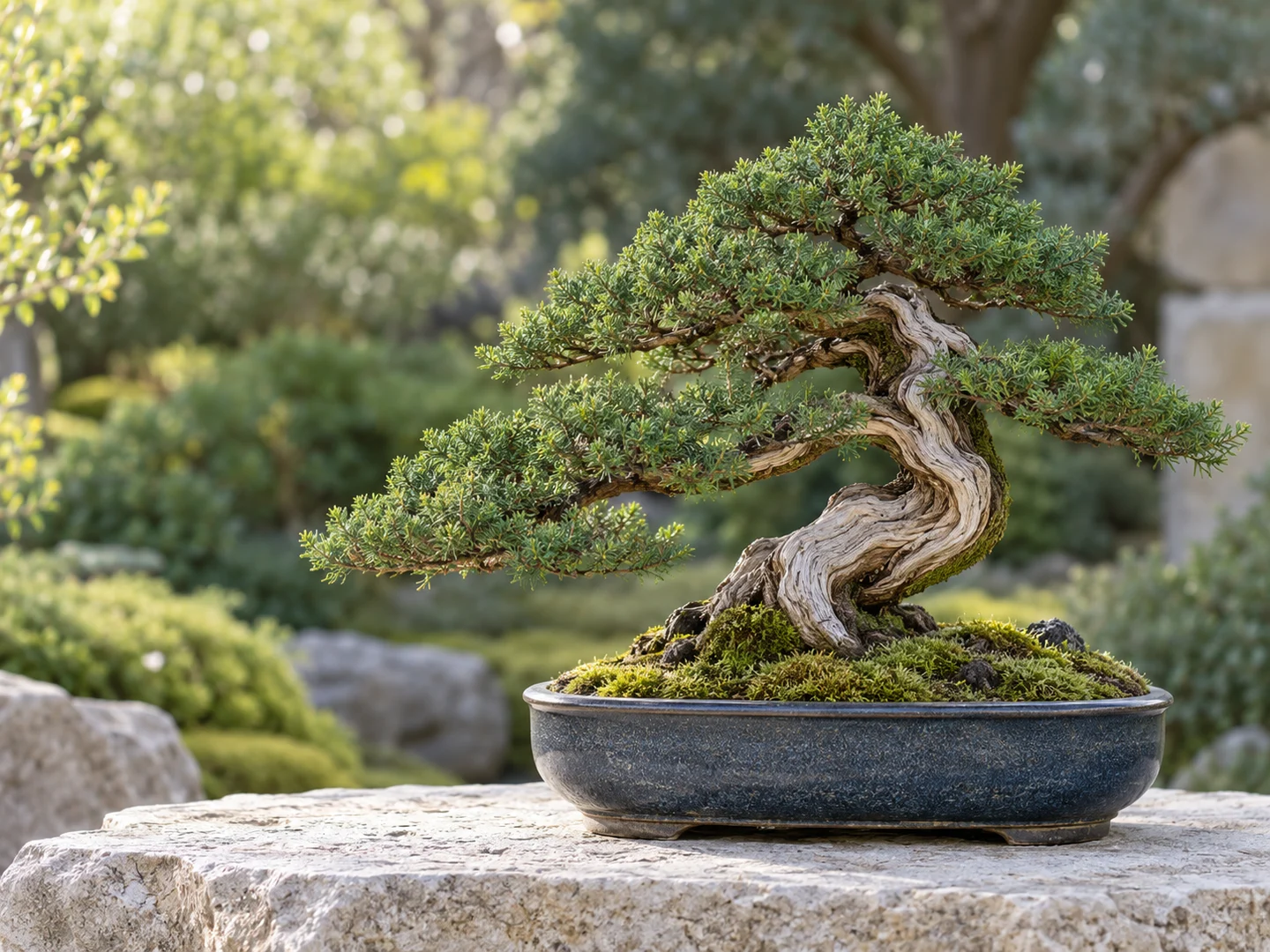
Deciduous trees may change colour and drop leaves as part of a healthy seasonal cycle. Reduce water application according to the changing root-zone demand, while continuing checks. A bare tree still has living roots.
Review winter accommodation, pot stability and drainage before severe weather arrives. Record which trees struggled in summer so you can improve placement or substrate at an appropriate time.
04
Winter: protect roots without forcing growth
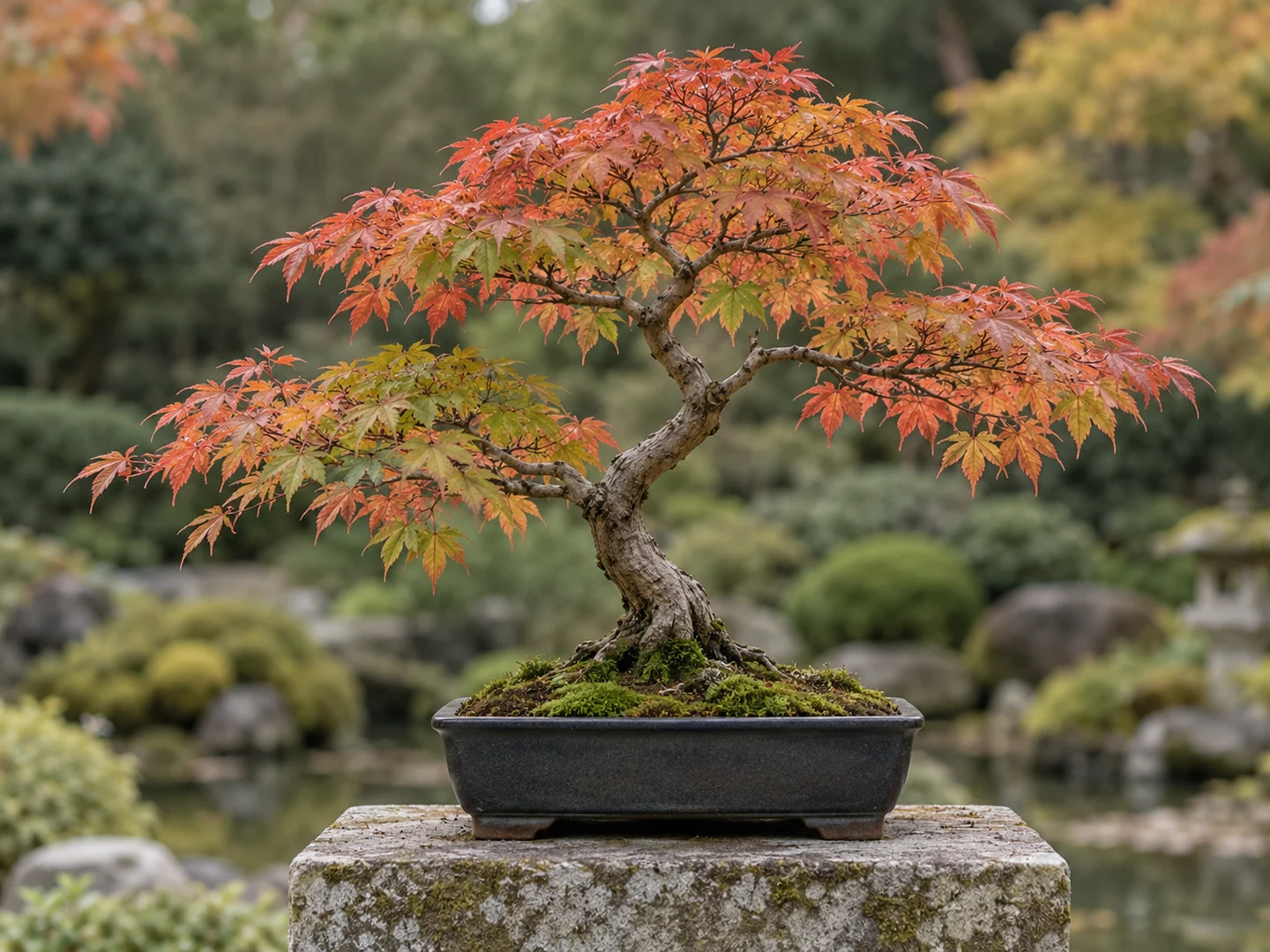
Outdoor temperate trees need seasonal rest, but roots in shallow pots can be vulnerable to extremes. Suitable shelter depends on species, pot and local conditions. Keep checking moisture and do not water frozen root balls.
A heated room is not a general winter shelter for juniper, pine or maple. Tropical indoor trees instead need adequate light, warmth and a watering routine adjusted to their actual growth.
05
Keep separate notes for indoor plants
Indoor light and heating can vary through the year even when room temperatures feel stable. Watch growth and moisture rather than declaring that every indoor tree has no seasons. Supplement light where appropriate and keep plants away from hot air outlets.
Use your record to make next year’s plan more specific: which pot dried fastest, when buds moved, and how each tree recovered from work. The result is a practical calendar for your collection.